|
Mike Garner is a lifelong sportsman whose love for everything outdoors has been the driving force behind his career. With over a decade of television production experience under his belt, he has cultivated a track record of storytelling excellence.
The Drummond Ranch
|
| 5 feedbacks » |
|
This month the Scouting for Adventure series took me back to the place where I portaged my first canoe, hoisted my first bear bag and saw my first moose. It’s Ely, Minn., and quite possibly, (and ironically,) the geographic center of the historic homeland of the Ojibwe or Chippewa Nation.
Why is this important? Besides the fact that I love field-testing Chippewa boots on all my adventures and that I just happened to be working 276 short miles from the town that started it all (Chippewa Falls, WI)?
Well, I would have to say my career in outdoor television production could literally be traced back to two influential adventures – backpacking the Chicago Basin in Colorado’s San Juan National Forest in the summer of ’83 and paddling the Boundary Waters in northeastern Minnesota two years later.
The summer of ‘85 I had just turned 14 and couldn’t wait for my first wilderness canoe trip with my dad, grandpa and friends from Tulsa’s Troop 81. It was everything a high adventure paddling trip should be, truly a trip of a lifetime highlighted by a long list of firsts.
So, it goes without saying the 2010 trip was a welcomed return to Ely and the Boy Scouts of America’s oldest of three National High Adventure Bases – Northern Tier. This time around I was joined by fellow Eagle Scout and Outdoor Channel field producer Jared Gustafson and my good friend, editor and videographer Dustin Blanchet. (He’s also responsible for some of the great pictures).
Like the Chippewa and French voyageurs that followed, Northern Tier is crazy for canoeing. We were given the laborious task of documenting three members of Troop 44 from Mendon, MA, as they paddled, fished, portaged, camped, and generally soaked up the sun and fresh air on a dozen lakes. Rough but essential work!
Renowned for it’s remote, untouched beauty, the Boundary Waters Canoe Area Wilderness (BWCAW) has over 1,500 miles of paddle routes, nearly 2,200 designated backcountry campsites, and more than 1,000 lakes and streams. Translation – you’re going to get wet!
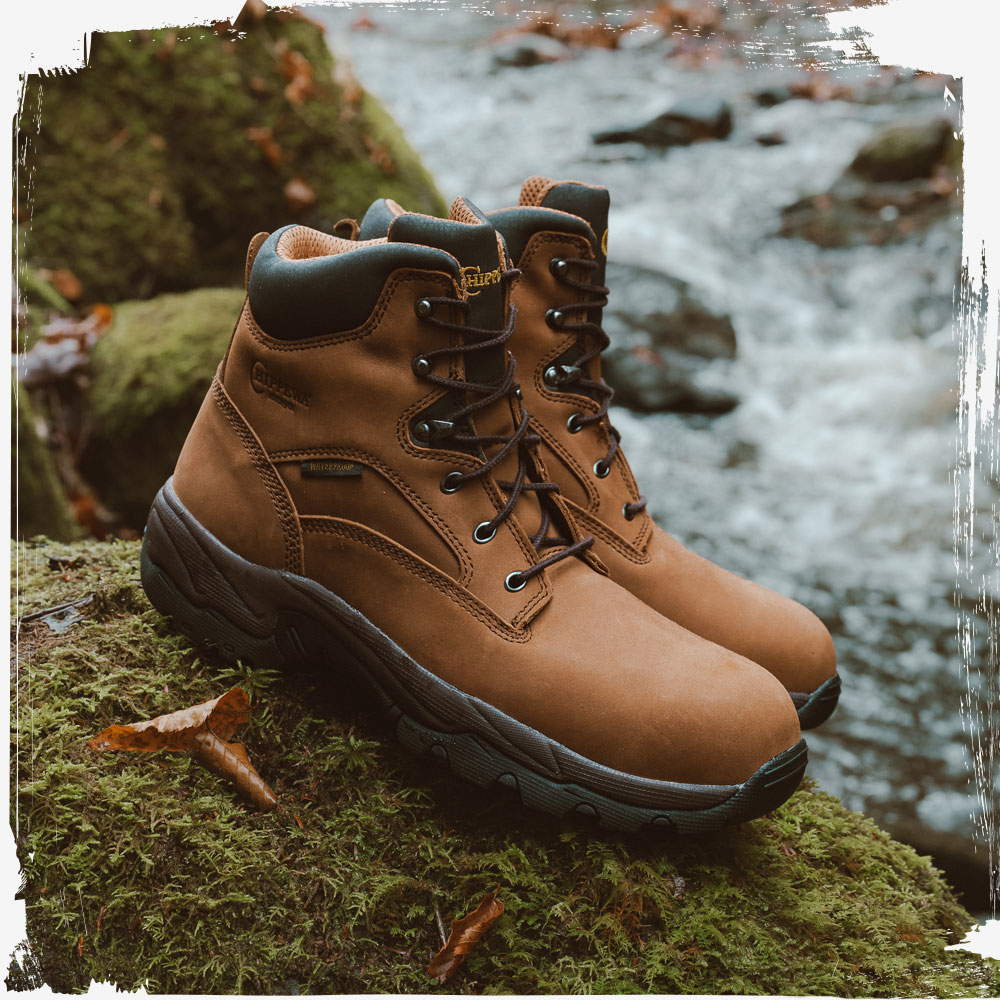
But, thankfully when it came to footwear, I didn’t have to sacrifice great ankle support for the convenience of a “water shoe.” Wet or dry my Chippewa Light Hikers maintained their breathability. And, they gave me the traction I needed in the canoe, at the waters edge, and on the portage trail. Coupled with the fact that I utilized a camp shoe off the water it’s not surprising they dried relatively quickly overnight. It was the perfect boot for the trip.
Interesting historical side note - the Ojibwe or Chippewa are one of the largest groups of Native Americans north of Mexico and the third largest in the United States behind the Cherokee and Navajo. Comprised of 125 bands equally distributed between the United States and Canada their traditional home range stretched from the shores of Lake Huron and Superior extending across Wisconsin, Michigan, and Minnesota.
| 1 feedback » |
|
Everything that I have accomplished in the outdoor television industry as a writer, producer, director, and camera operator I owe to my Dad, retired Tulsa Police Sergeant Mike Garner, and the Boy Scouts of America.
Dad always said the Scouting experience would serve me well later in life and that earning the rank of Eagle Scout would be an incredibly special honor and achievement. But, as a young man who couldn’t see past girls, sports, and getting my drivers license it was a pretty hard sell.
Ironically, all those years of patient instruction would pay huge dividends in the spring of 2008 when I was named lead producer for the highly anticipated series Scouting for Adventure presented by Boys’ Life Magazine on Outdoor Channel.
Obviously Dad was right. Everything had come full circle. As an outdoor television producer, who happened to be an Eagle Scout, I found myself in a unique position working at the most prestigious Boy Scout camps in the country.
Located near Cimarron, New Mexico in the majestic Sangre de Cristo Range of the Rocky Mountains, the 137,493-acre Philmont Scout Ranch was once the summer home and wilderness playground of Oklahoma oilman Waite Phillips before he donated the land to the Boy Scouts of America – one chunk in 1938 and an even bigger chunk in 1941.
This week I was fortunate to meet and work with three Philmont Conservationist staffers – Zach Heard, Ian Hathaway, and Garrett Bonofiglo. Representing 3 of the 19 conservationists who actively blaze trails through the backcountry, these guys basically have two responsibilities – build trails, (by hand,) and lead conservation projects for treks, (Scouts,) passing through their camps.
Established in 1971, the Philmont Conservationist Program challenges and educates Scouts in conservation and natural resource management. The staffers teach campers how to properly use tools like the pick mattock, cutter mattock, the McCloud, hazel hoe, shovels, and rock bars among others.
This is accomplished while illustrating the 5 steps of trail building – surveying, pioneering, rough cutting, finishing, and maintenance. Everything participants need to know about trail construction and campsite improvement. And, these are the same skills they are expected to learn and put to use closer to home.
Interesting side note for the non-Scouters or laypersons – any camper hoping to get their hands on the coveted Philmont Arrowhead Award patch must complete three hours of staff supervised conservation work during the course of their trek through the steep backcountry. So, with an average of 22,000 campers hiking the ranch annually it’s no wonder Philmont has over 340 miles of handcrafted trails.
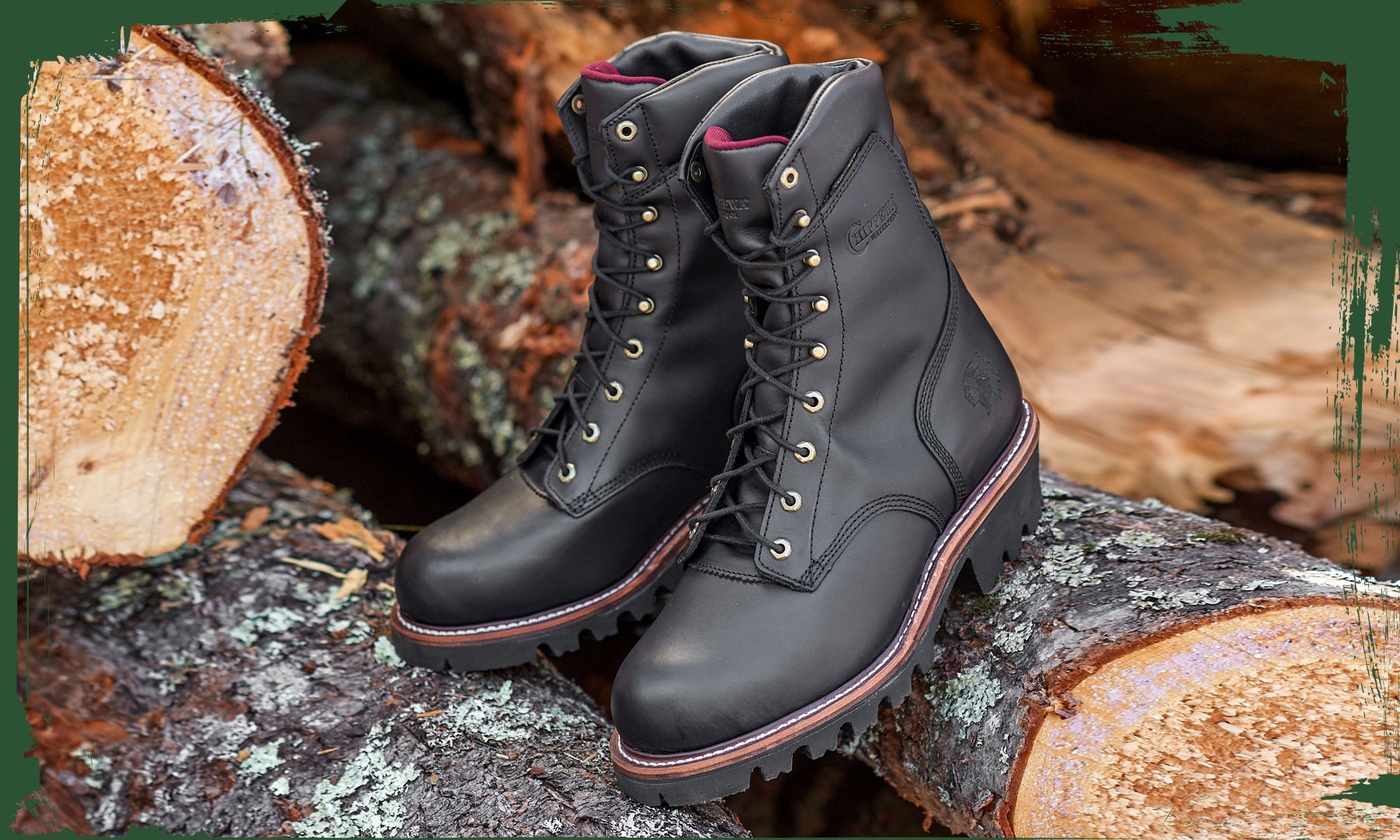
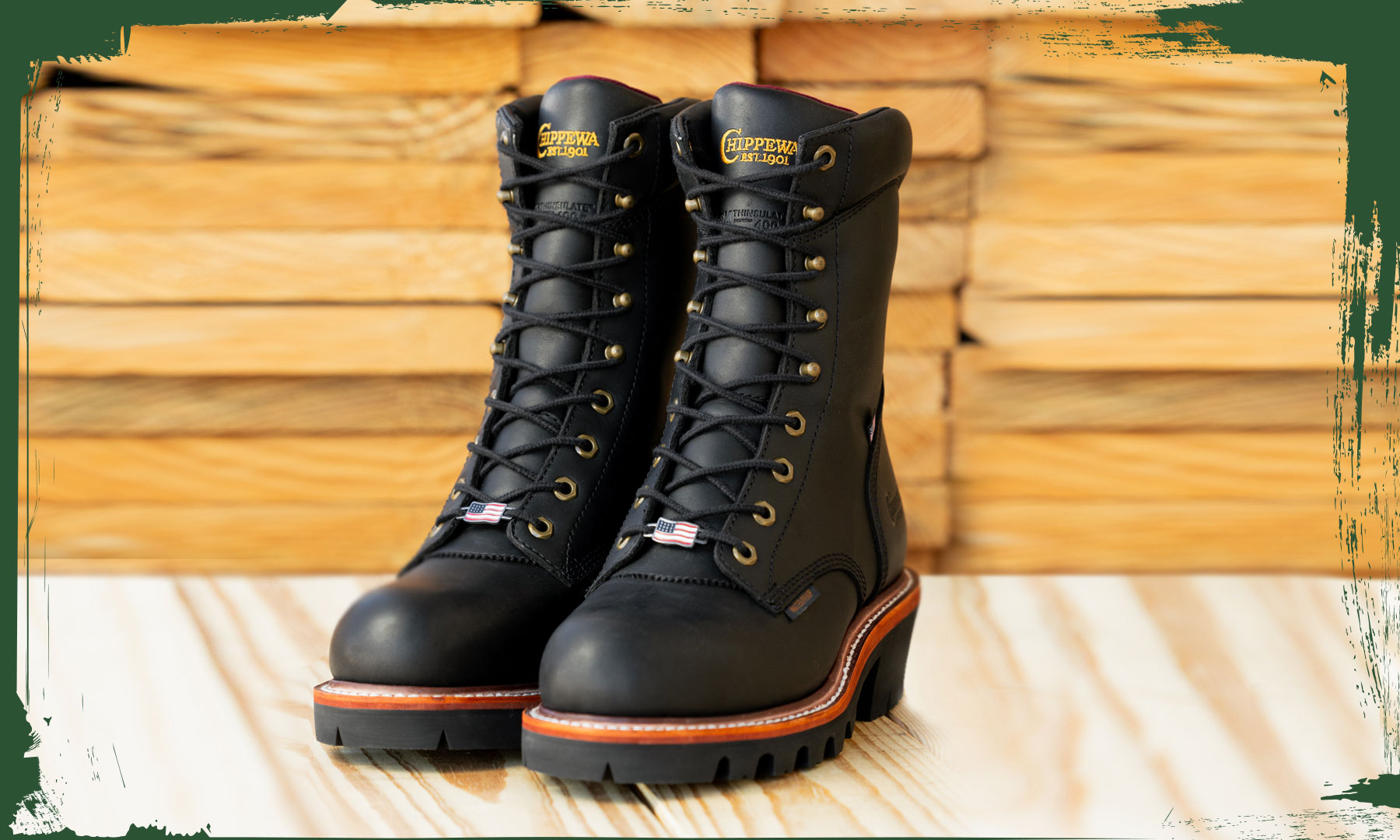
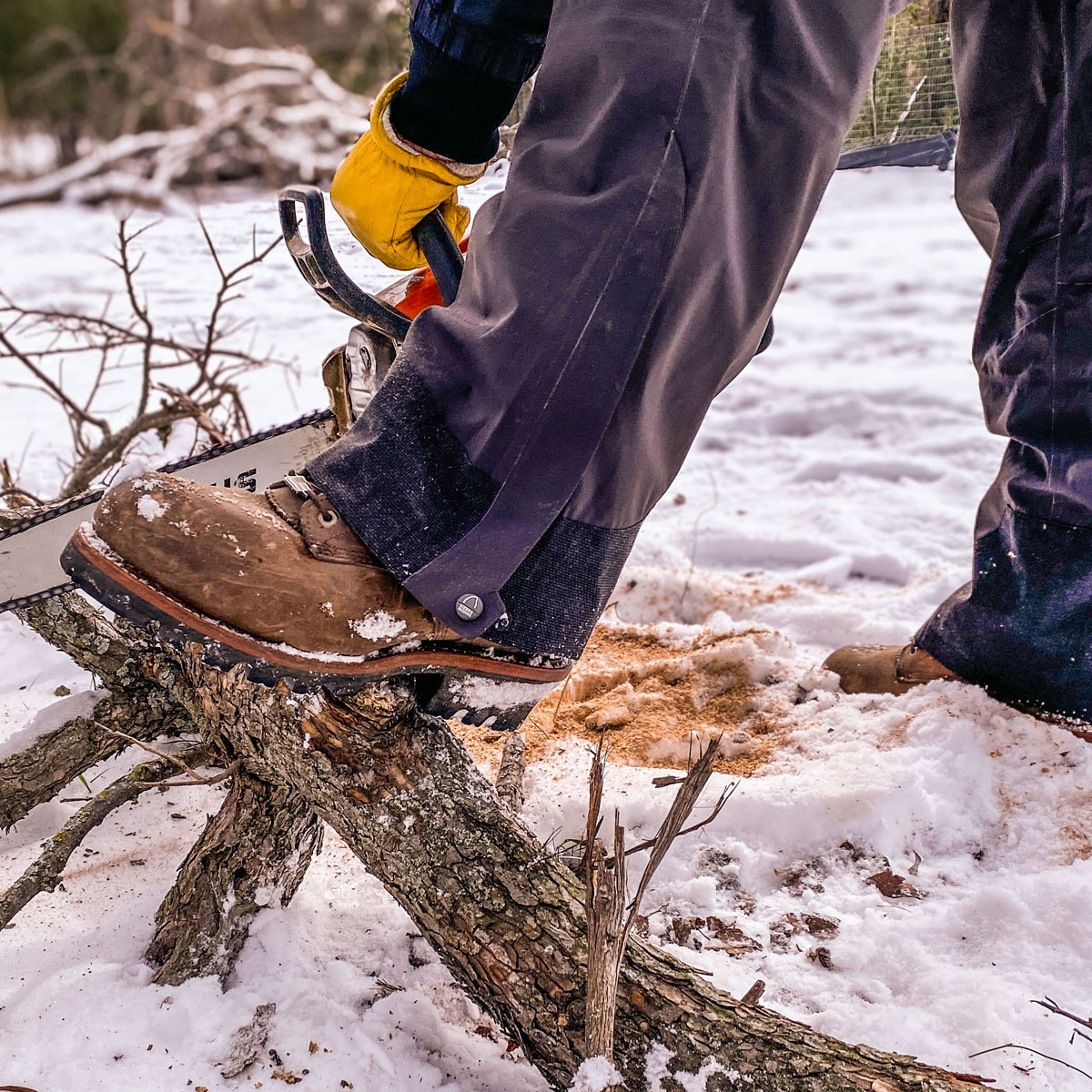
If you had to keep pace with trail detail what boot would you choose? I knew what I was getting myself into, so for me the choice was simple – the tried and true 8-inch Chippewa logger. End of story.
| 1 feedback » |
|
My first pair of Chippewa boots were a gift from former Dallas Cowboys tight end and ESPN Outdoors host Jay Novacek. It was the summer of ’99 and I was a young associate producer working with Jay on the Cabela’s Sportsman’s Quest series. Needless to say, I was more than a little excited about my new outdoor swag and the opportunity to work with the Cowboy legend.
The 17-inch lace-up snake boots were a welcomed surprise from the 3-time Super Bowl Champ and 5-time Pro Bowler, proving to be a great introduction to the Chippewa brand and Jay’s generous nature. I wore those boots for years on numerous turkey hunts and white-tailed deer adventures – never completely wearing them out.
With that story and those boots in mind, I prepared for the 2010 Oklahoma spring turkey season. Taking stock of my hunting boot collection, I decided to look for a new pair of Chippewas that would last as long as Novacek’s original pick.
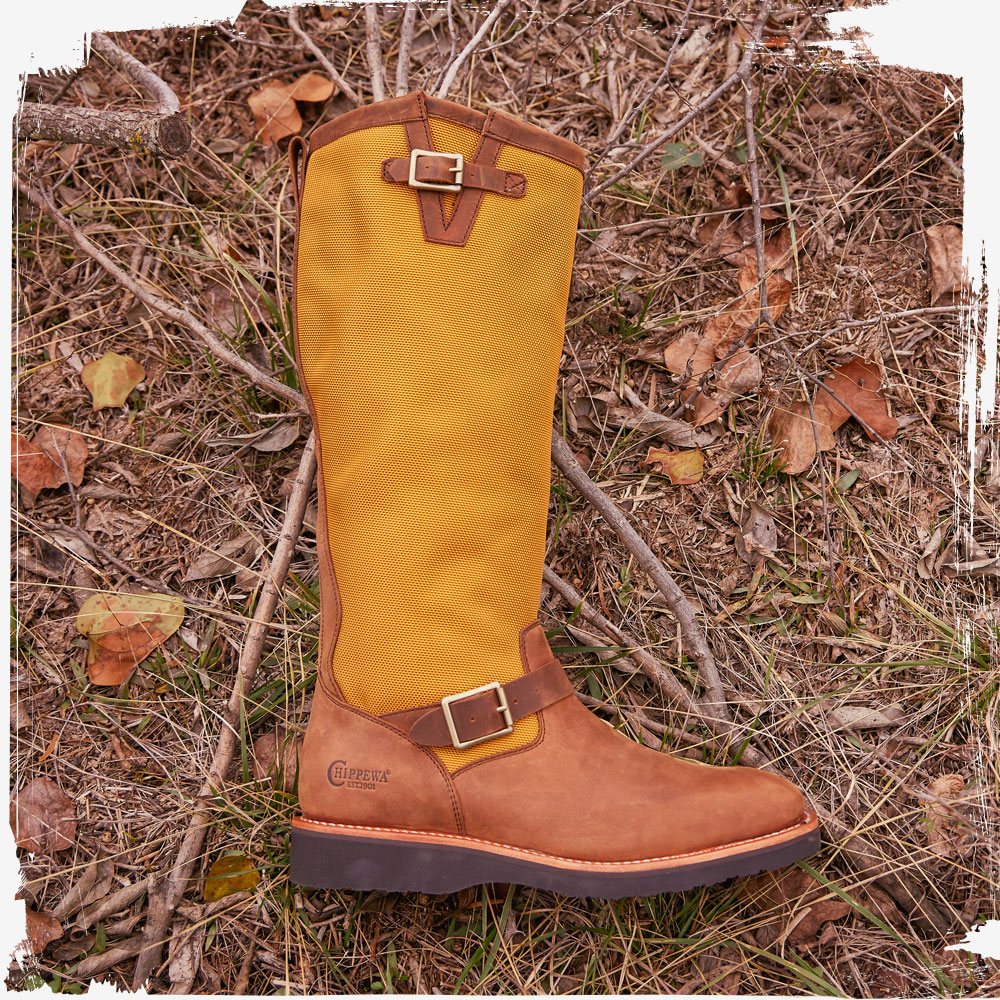
Anticipating spring showers, I wanted a durable, waterproof, and all-around over-the-calf hunting boot that would continue to perform beyond turkey season- a boot without laces that would serve me equally well dove hunting in South Texas or chasing pronghorn antelope across New Mexico. The added benefit of a boot that could withstand a strike from a venomous snake would just be icing on the cake.
So, when I saw the Briar Pitstop Pull On Snake Boot for the first time online I didn’t pay much attention to the words “Espresso Vipercloth” or “Chip-A-Tex” membrane system. Simply put, I saw a snake-proof, waterproof boot with hunting friendly dark brown leather and olive uppers. Everything I wanted – with a Vibram sole to boot!
Fast-forward to Oklahoma’s month long spring turkey season – April 6th to May 6th. Between work and travel I only managed a handful of outings, but I still got out there! I roosted birds, hunted a couple mornings, and made a few evening sits. In the end I had one humbling encounter with a nice gobbler and a poorly placed oak tree. What can you do? I chalked it up to experience. Regrettably there was no camera guy to blame for my misfortune.
I like to think that a lot of experience and a little luck goes a long way when turkey hunting. I’ve produced turkey shows from the Carolina’s to The Big Island of Hawaii and almost everywhere in between, and I know what works for my shows and me. I have my favorites – television hosts, boots, calls, turkey vest, set-ups, camera angles, and destinations.
So, after posting a big fat goose egg off-camera this year I’m a little curious. Whether your statewide spring turkey season wrapped up in March like Hawaii or goes strong through June like Maine – What was your favorite part of Turkey Season 2010?
| 7 feedbacks » |
|
April 15th – probably the worst day on the calendar, unless you’re writing a new blog entry, like me. If you read my January, February, and March entries you have to be wondering how an outdoor writer draws inspiration from this most unholy of days? Easy. Here’s a friendly tax tip to consider before the end of the year.
If you’re a self-employed hunting guide, outfitter, logger, ranch owner, or work as an independent contractor in an industry where high performance footwear is a must-have, then I have two words for you – Write-Off!
Seriously, expensing a great pair of boots has to be one of the best business perks available to guys like us. I would encourage you to find the best-designed, best-built, best-fitting boot applicable to your line of work and buy a pair – or maybe two.
Obviously I’m not an accountant, so check with your CPA to determine if these savings apply to you. Every little deduction helps, and I’m confidant you would prefer to hold on to as much of your hard-earned cash as possible. By the end of the year your wallet and your feet will thank me, but I digress.
OK, we have finally come full circle making the leap from vintage World War II aircraft and custom motorcycles to taxes and my bread and butter – the Great Outdoors!
For anyone who loves the outdoors as much as I do, this is the time of year when most sportsmen and outdoor enthusiasts are gearing up for turkeys, camping, summer hikes, and anxiously awaiting the arrival of the fall hunting season.
We’re already two weeks into Spring 2010, and I’ve been busy roosting gobblers and breaking in boots. This year I decided to ease into the whole “breaking in” process. I chose a lightweight Chippewa Hiker, a bass boat, and a collegiate bass fishing tournament – not extremely rugged, but effective.
I recently spent three days in Russellville, AR crisscrossing beautiful Lake Dardanelle, hopping in and out of boats, climbing rocky shorelines, and trying to keep pace with 125 testosterone-driven collegiate anglers in 63 bass boats. It’s important to note there was a lone lady angler in the field, every bit as qualified and driven as her male counterparts.
Hosted by Arkansas Tech University, this leg of The Collegiate Bass Fishing Tournament Series proved to be an eye opener. Did you know there are more than 150 colleges and universities across the country with recognized fishing clubs? I didn’t.
They compete for cash, prizes, scholarships, and bragging rights. You have to love an organization that promotes sportsmanship, outdoor ethics, and still holds these angling students to a high academic standard.
It’s a unique opportunity where young men and women are able to represent their schools while participating in what is arguably America’s most popular outdoor recreational activity – fishing. And, it makes for great outdoor television!
| 4 feedbacks » |
|
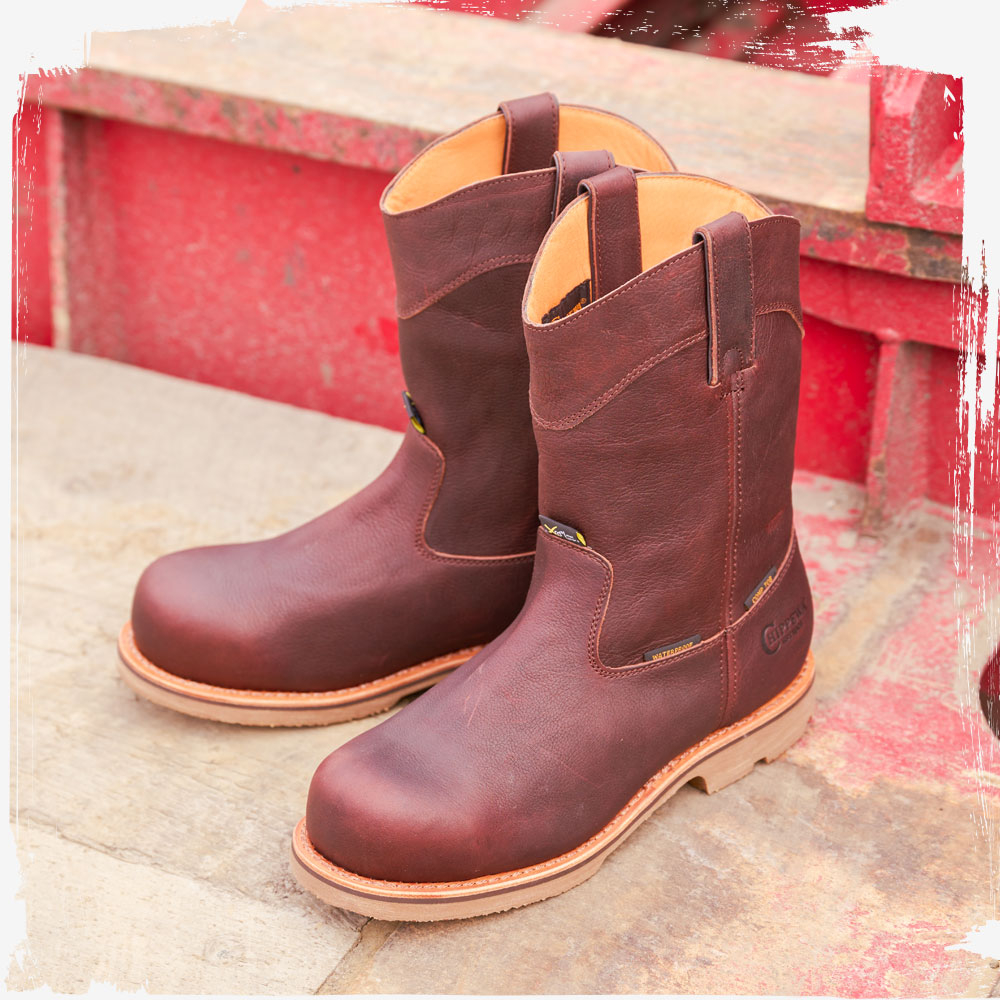
I can’t deny the classic engineer boot has been a running theme for me these days. But, I make no apologies. The boot became an instant favorite back in January when I pulled them on for the first time. And I may have been content to move on to the next pair of boots – but then came WarBikes!
A docu-reality series about custom motorcycles inspired by vintage World War II aircraft, the show is the perfect blend of horsepower and history designed to create awareness for a historic fleet of warbirds and to help the organization that keeps them in the air. The Arizona Wing of the Commemorative Air Force at Falcon Field in Mesa, AZ supports a fairly large group of aircraft including the B-17 Sentimental Journey – our inspiration for the latest bike build.
As a television writer and producer, I could not have asked for a better backdrop or storyline. Honoring the men and women who built and flew these historic planes takes passion and teamwork. It also takes a hands-on master craftsman and a special shop to deliver. Ralph Randolph, a commercial airline pilot and custom bike builder, is that guy, and his shop, Knockout Motorcycle Company in Mesa, AZ, is that place.
| 3 feedbacks » |
|
You wouldn’t think flying in a vintage World War II era T-6 Trainer would evoke thoughts or memories of rugged outdoor footwear. And, I have to admit the thought didn’t immediately cross my mind. But, somewhere over Mesa, Arizona, that’s exactly what happened.
I recently found myself working in the back seat of a T-6 Trainer, flying at a comfortable cruising altitude of 3,000 feet and moving along at a steady 150 MPH. While capturing some beautiful HD footage of vintage aircraft in formation the thought occurred to me, I was wearing a pair of boots that could have easily been found in that same plane 70 years ago.
The North American T-6 Texan was a single-engine trainer aircraft used to train pilots in the United States Army Air Forces, United States Navy, and the Royal Air Force, among others. The plane was first flown in 1935 and was in full-blown production by the late 1930’s.
The popular warbird aircraft is the subject of a project I am producing called WarBikes. The only “outdoorsy” thing about the series is the fact that we are shooting out-of-doors. Not the typical sports afield type story most boot guys would associate with the Chippewa brand.
| 6 feedbacks » |
|
Cushioned insoles with good arch support were the order of the day and function over form seemed to be the rule. But, you could still find everything from athletic shoes to wingtips.
As a life long sportsman and admitted outdoor footwear addict, I could not have found a more appropriate place to kick start a little boot dialog than one of the industry’s most demanding proving grounds – the 2010 SHOT Show.
Don’t laugh. I’m serious. With 700,000 square feet of smooth concrete and poorly padded carpet, the Sands Expo and Convention Center in Las Vegas, NV, presented an ideal opportunity to test the comfort and fit of a good pair of boots.
And I wasn’t the only one. The ultimate shooting, hunting, and outdoor trade show featured miles of aisles with 1,633 exhibitors, 31,280 buyers, and 1,804 media professionals. Almost everyone covering the same ground the same way – on two feet.
| 3 feedbacks » |
|